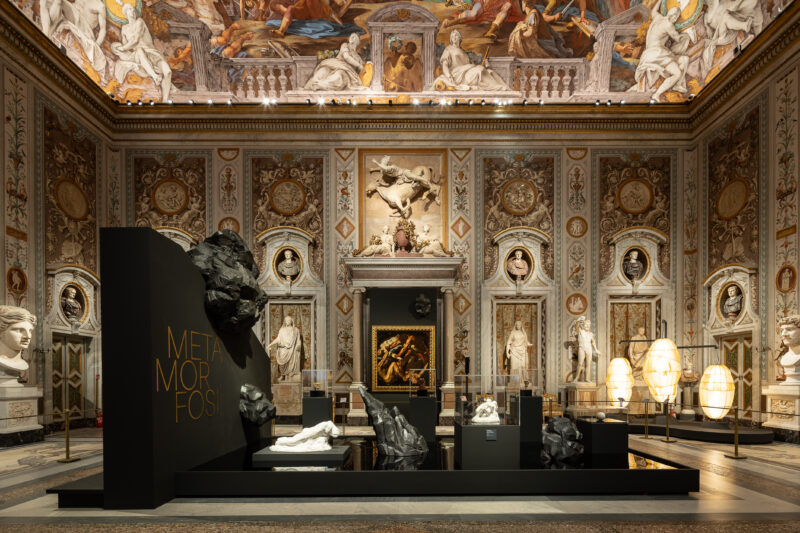

METAMORPHOSES
OVID AND THE ARTS
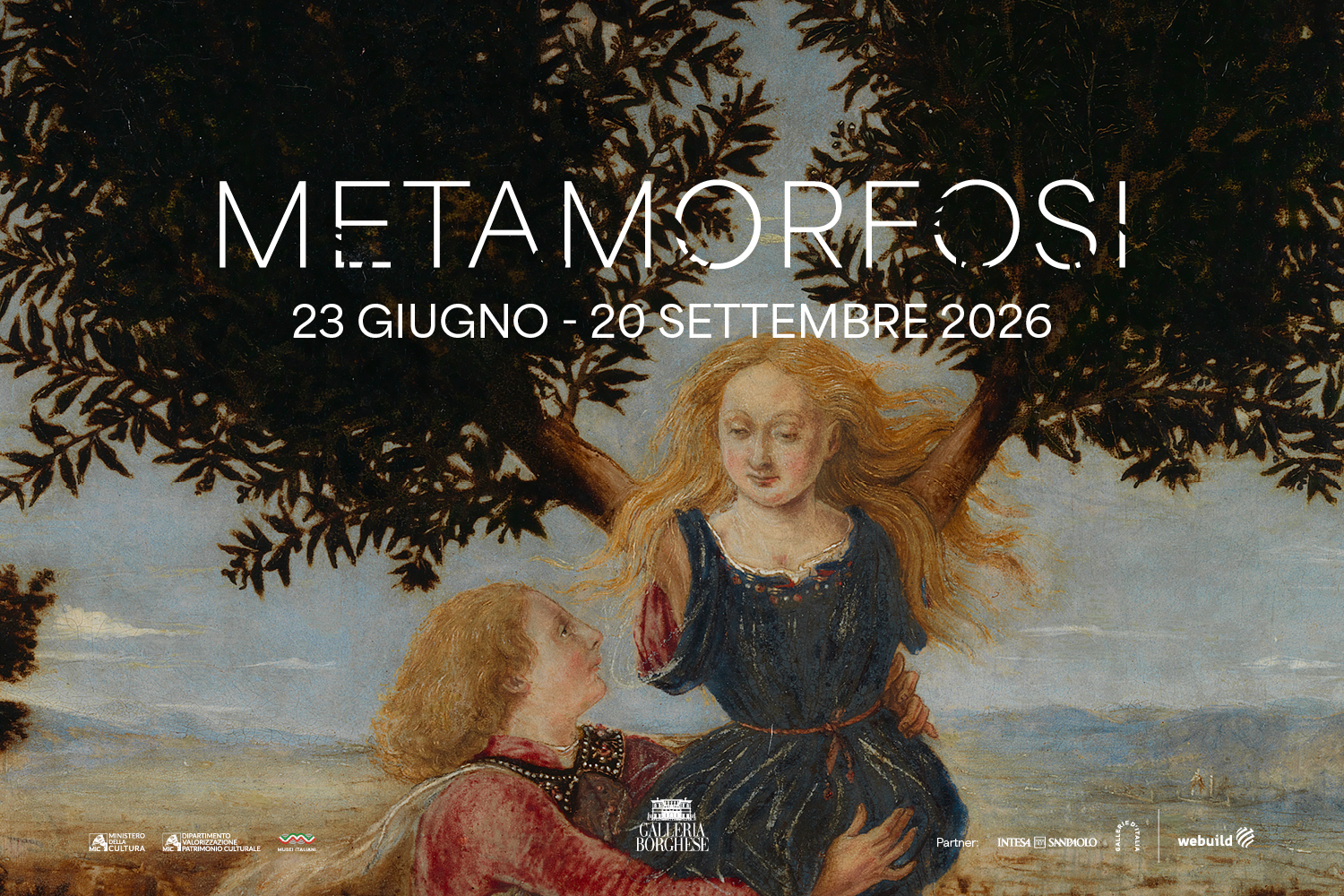
From 23 June to 20 September 2026, Galleria Borghese will host Metamorphoses. Ovid and the Arts, a major exhibition project developed in collaboration with the Rijksmuseum, Amsterdam. Curated by Francesca Cappelletti and Frits Scholten, the exhibition was conceived through a shared scholarly dialogue between the two institutions. Following its Dutch presentation, which will close on 25 May, the project will travel to Rome in June, where it will be presented in an autonomous and original configuration.
Taking Ovid’s Metamorphoses – one of the foundational and most enduring texts of the Western imagination – as its point of departure, the project explores the theme of transformation as a universal principle and as a key to interpreting the cosmos, matter, and the human condition. Ovid’s poem thus becomes the gateway to a worldview grounded in change, in the instability of forms, and in the permeability of boundaries between the human, the natural, and the divine.
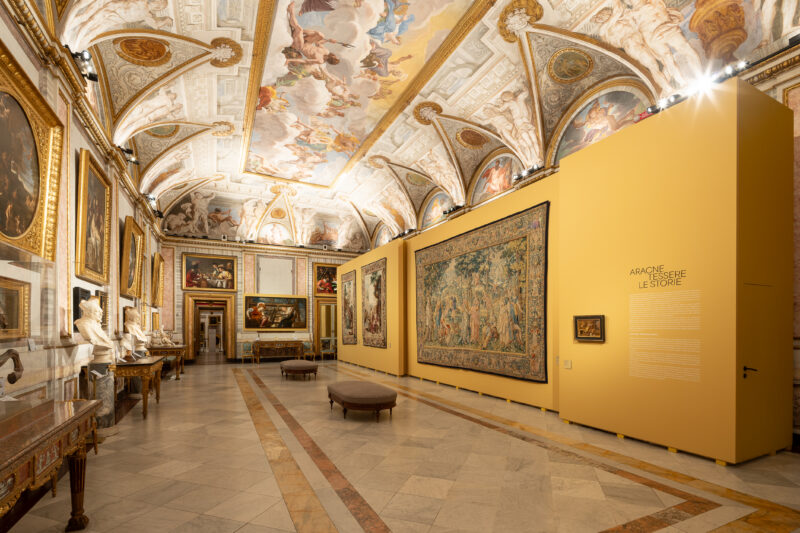
The spaces of Galleria Borghese constitute a particularly privileged context for the development of this exhibition project. The very foundation of the villa fuori Porta Pinciana is rooted in the symbolic universe of the Metamorphoses, making this site not only suitable but intrinsically connected to the theme of the exhibition. Cardinal Scipione Borghese commissioned the construction of the Casino nobile to house part of his collection, conceiving the architecture as a cultural device capable of weaving together myth, art, and self-representation within a coherent system of meanings.
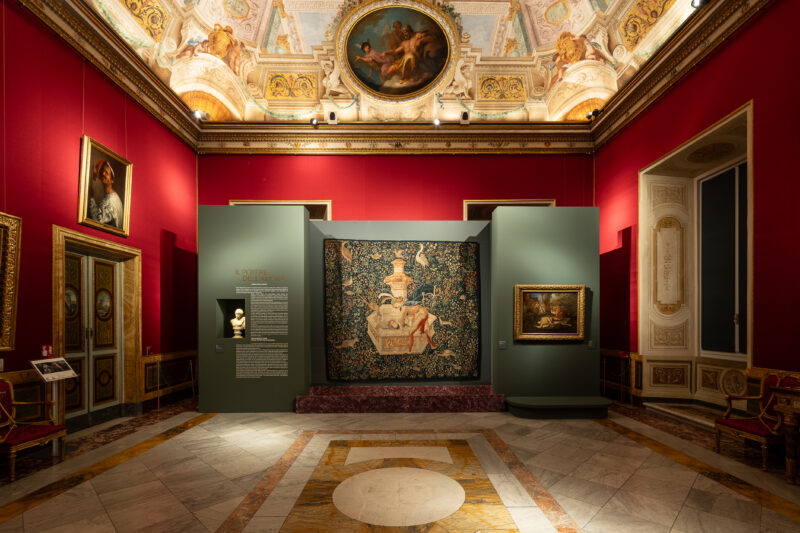
This vocation was further reinforced in the eighteenth century through the restorations commissioned by Marcantonio IV Borghese and entrusted to Antonio Asprucci, who reorganised the interiors by placing sculptures at the centre of the rooms and integrating them within a decorative programme inspired by the Metamorphoses, thereby shaping a context in which the presence of Ovid becomes structural and pervasive.
The core of the exhibition will therefore be the concept of metamorphosis as a generative principle capable of traversing and redefining the cosmos, matter, and the body. Through renowned myths and often tragic narratives, the Metamorphoses have for centuries provided artists with an inexhaustible repertoire of images and conflicts, giving visual form to passions, desires, cunning, violence, deception, and possibilities of redemption.
The exhibition itinerary will present a vision of the world in which gods, humans, and nature share a common destiny of continuous transformation. Alongside Ovidian themes such as Love, the Afterlife, and the creation of the world, the exhibition will also explore the phenomenon of the Ovide moralisé, the medieval rewriting of the work that profoundly influenced the representation of myth in the Renaissance.
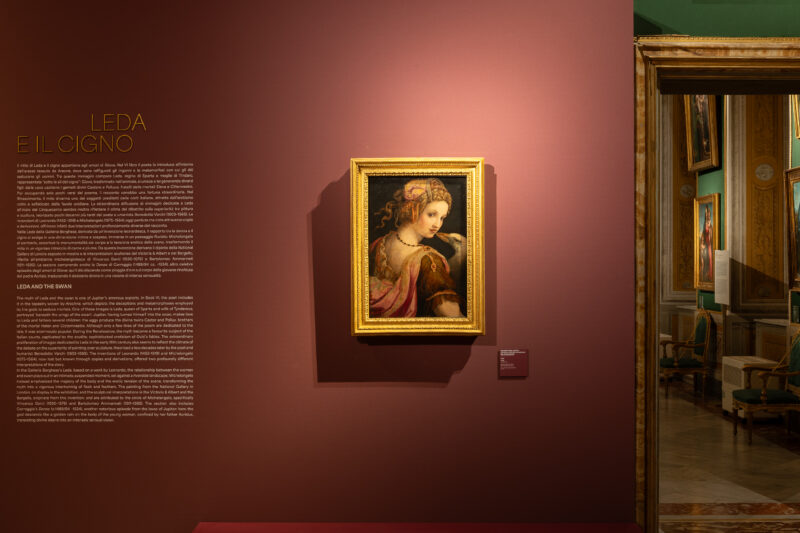
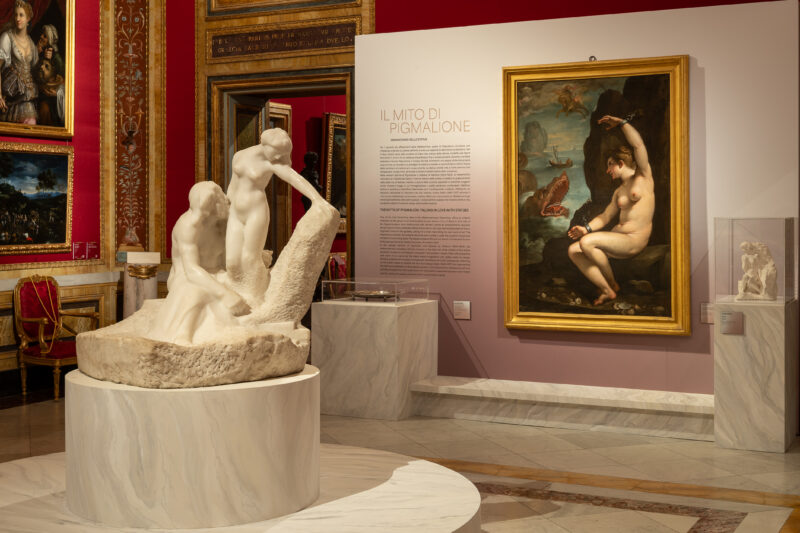
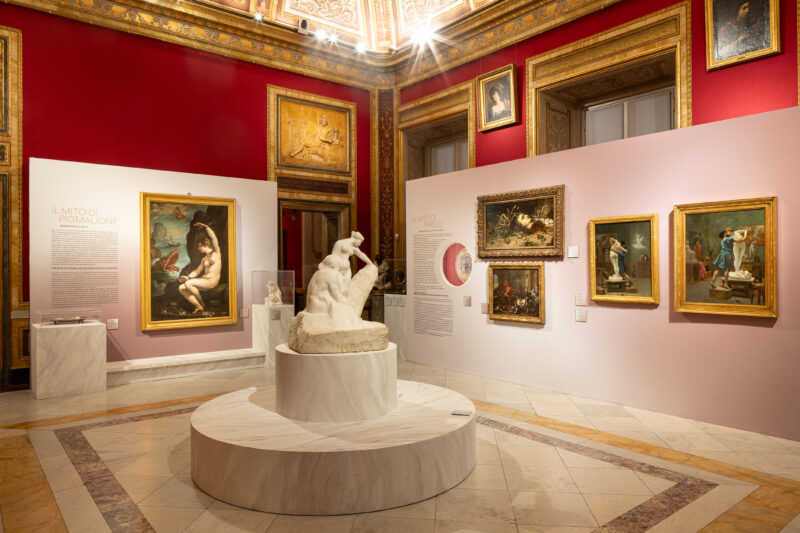
From the great masters of the Renaissance and the Baroque to artists of more recent periods – including Correggio, Michelangelo, Titian, Rubens, and Poussin, through to Gérôme, Rodin, and Brancusi – the exhibition will highlight the visual and conceptual power of Ovid’s narratives.
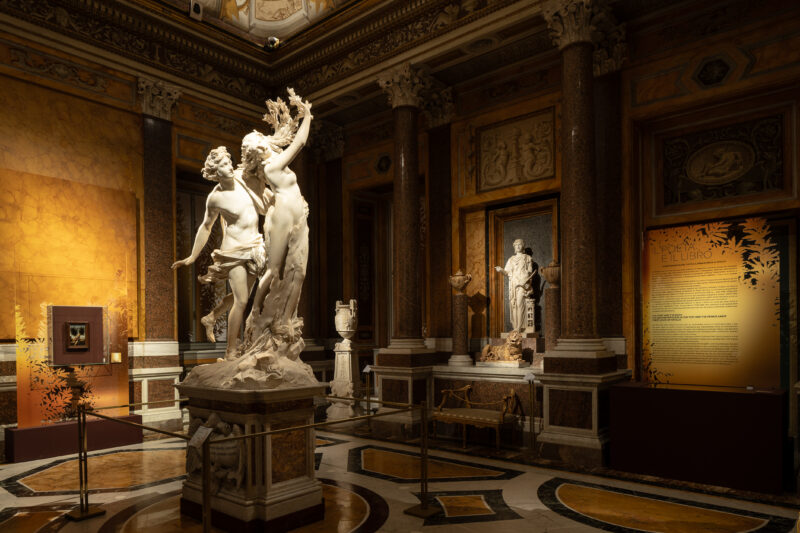
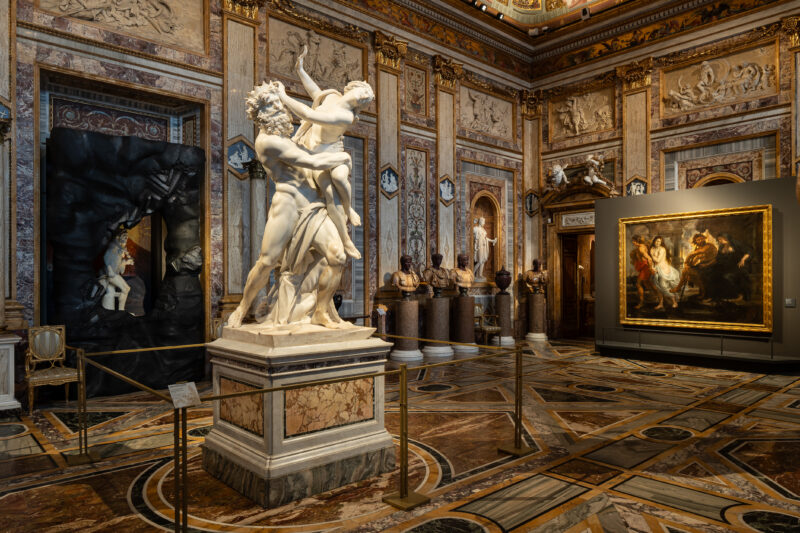
Centered around Gian Lorenzo Bernini’s Apollo and Daphne and Pluto and Proserpina, as well as the other mythological masterpieces of the Galleria, the exhibition will reaffirm the enduring relevance of myth and its central role in shaping the European imagination.
The exhibition path will offer a symbolic and sensory re-reading of transformation, evoking the tension between order and change, the fluidity of identities, and the dynamic relationship between body and nature. Within this dialogue between myth and art, metamorphosis emerges not only as a physical transformation but also as an aesthetic and ontological category capable of interrogating the relationships between time, space, matter, and form.
Produced in collaboration with the Rijksmuseum, the exhibition catalogue – available in Italian, English, and Dutch – presents all the works displayed in the two venues and includes essays by Italian and Dutch scholars.
Galleria Borghese thanks Intesa Sanpaolo – Gallerie d’Italia and Webuild S.p.A. for their support.