
MARCELLO PROVENZALE FROM CENTO.
A GENIUS OF BAROQUE MOSAIC IN BORGHESE ROME
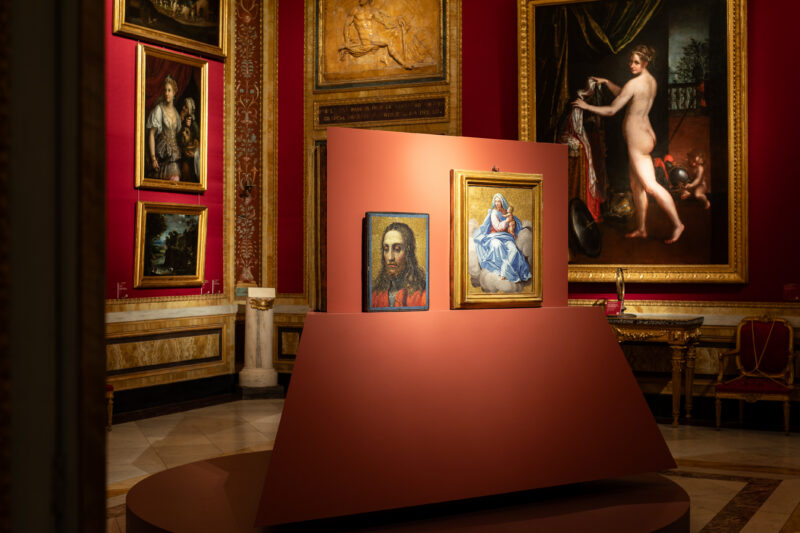
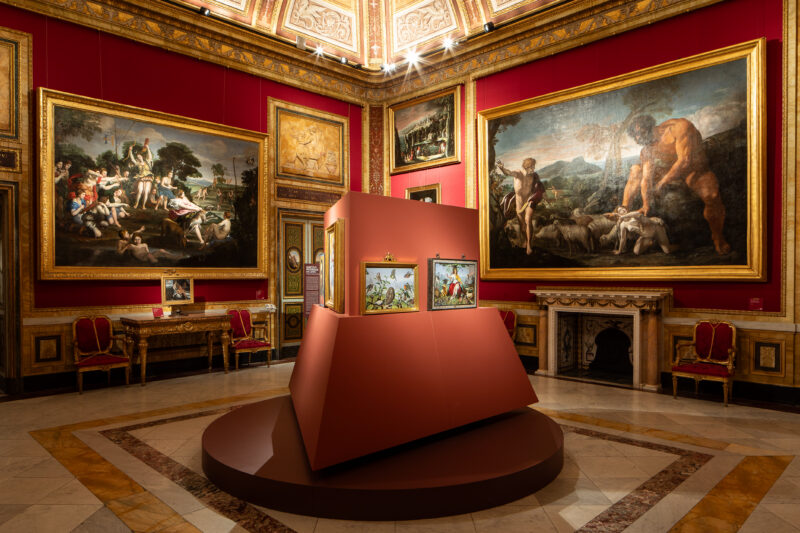
On March 17, and running until May 10, 2026, Galleria Borghese inaugurates the exhibition Marcello Provenzale from Cento: A Genius of Baroque Mosaic in Borghese Rome. Produced in collaboration with the Pinacoteca Civica “il Guercino” in Cento—where the exhibition will move in a different configuration from October 2, 2026, to January 10, 2027—the show brings back to center stage the figure of Marcello Provenzale, a leading figure in the rebirth of mosaic in the Rome of Paul V and one of the most significant moments in the revival of this practice between the 16th and 17th centuries. On the 450th anniversary of the artist’s birth, Galleria celebrates a key protagonist of artistic culture in Borghese Rome, a central figure in the transformation of mosaic into a modern language within the climate of the Counter-Reformation.
With Marcello Provenzale from Cento, and the exhibition Return to Galleria Borghese: Giovan Francesco Penni and Raphael’s Workshop, the museum resumes its program of “dossier exhibitions.” These research projects, dedicated to a selected number of works from the collection, are designed to explore crucial turning points in its history and restore its original character to the public, refocusing attention on a central chapter of its collecting legacy through history, attributions, and critical rediscovery.
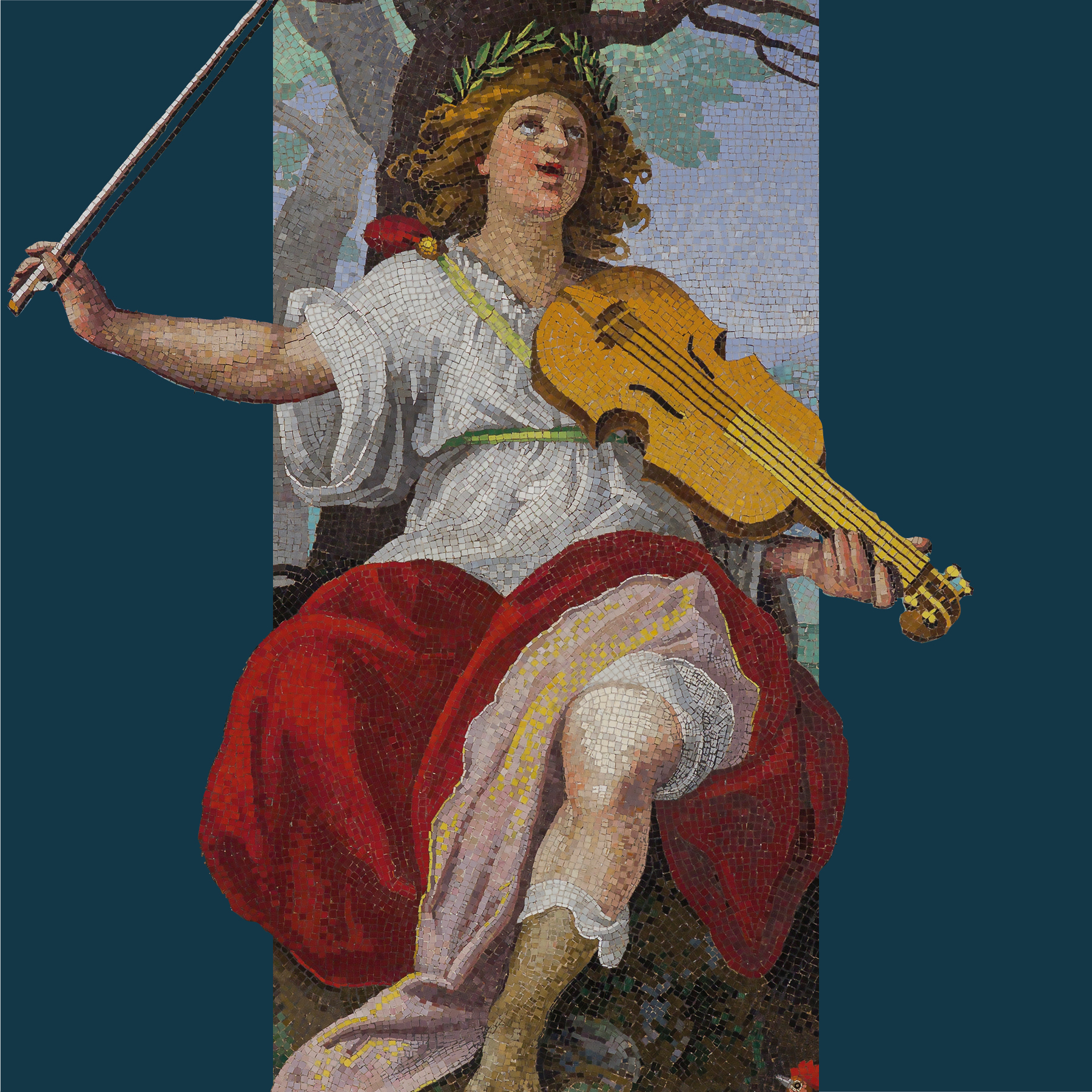
Born in Cento in 1576 and trained as a painter, Provenzale specialized in mosaic art in Rome, participating in the construction sites of St. Peter’s Basilica starting in 1600. Working in the Clementine Chapel and on the decoration of the dome, he distinguished himself by his ability to translate the pictorial qualities of color and light into glass tesserae.
Thanks to his skill, Pope Paul V entrusted him with prestigious commissions, including the execution of the Borghese coat of arms in the nave of St. Peter’s and the restoration of Giotto’s Navicella (1617–1618). In 1616, the pontiff officially recognized him for the invention of “a new way of making mosaic, quite different and more beautiful than the ancient style,” establishing him as a technical innovator.
Provenzale was among the first to use the so-called mosaico filato (micromosaic), a technique that allowed for half-tones and chromatic shades of extraordinary refinement. Through this method, the artist achieved results capable of competing with painting, as evidenced by the famous “easel mosaics” Madonna and Child (1600), Orpheus (1618), and Portrait of Paul V (1621), now in Galleria Borghese, as well as the Owl with Birds (1615), now in the Museo degli Argenti in Florence, and the Face of Christ (ante 1603), formerly in the Federico Zeri Collection and now in the Grimaldi Fava Collection.
In these works, mosaic becomes a symbol of eternity and a tool for dynastic celebration: the incorruptible glass material transforms the portrait into a portable monument to the memory of the pontiff and his house. After Provenzale’s death in 1639 at the Palazzo Borghese in Campo Marzio, his legacy was taken up by Giovan Battista Calandra, who continued his experience toward full Baroque maturity.
Built around the artist’s masterpieces, the exhibition aims to convey the modernity of a master who transformed an ancient art into a new, spiritual, and sophisticated language. Galleria Borghese, which holds the largest group of his works, thus confirms itself as a privileged location to celebrate Provenzale and reaffirm the role of mosaic in Counter-Reformation Rome: an art of faith, an instrument of power, and an object of collecting wonder.